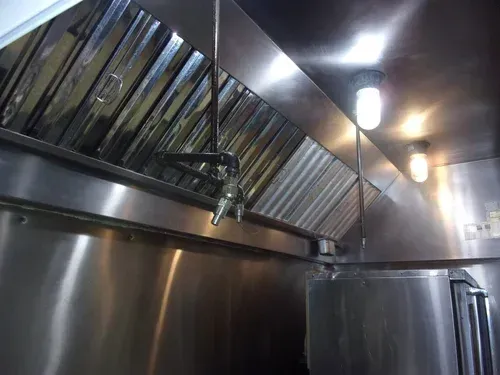
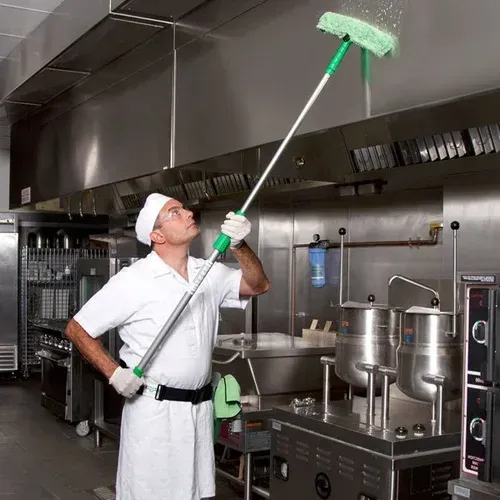
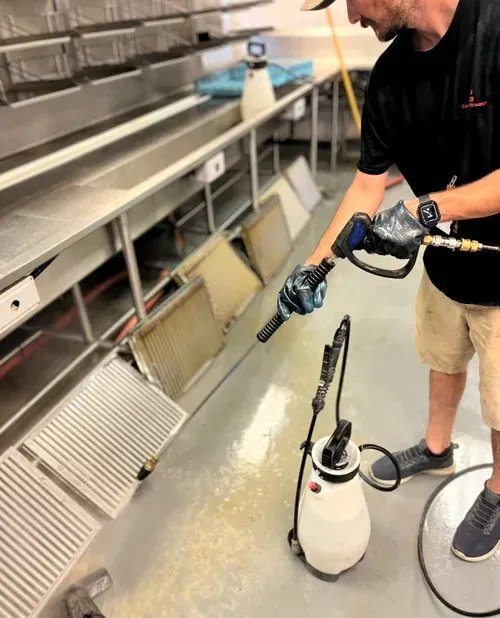
Commercial kitchen hood cleaning is an essential task that must be performed regularly to ensure that your kitchen is safe, healthy, and up to code. The hood over your commercial kitchen stove or grill is designed to capture and remove smoke, steam, and fumes from the cooking process. However, if not cleaned properly, the hood and the ventilation system can become a major fire hazard. Why is commercial kitchen hood cleaning important? The hood and ventilation system in a commercial kitchen are designed to remove smoke, steam, and fumes from the cooking process. Over time, grease and other particles build up in the hood and ductwork, which can pose a serious fire hazard. In addition, a dirty hood can also affect the quality of the air in the kitchen and the overall cleanliness of the restaurant. Regular hood cleaning is necessary to remove the buildup of grease and other particles, preventing fire hazards and maintaining a safe and healthy environment. Tips for effective commercial kitchen hood cleaning Develop a cleaning schedule: A cleaning schedule should be developed, outlining when the hood and ventilation system will be cleaned and by whom. The schedule should be based on the frequency of kitchen use and the type of food served. Turn off all cooking equipment: Before cleaning the hood and ventilation system, all cooking equipment should be turned off and allowed to cool down. This ensures that the cleaning process is safe and effective. Protect the kitchen area: The area around the hood should be protected with plastic sheeting to prevent grease and other particles from spreading. Use the right cleaning products: The use of appropriate cleaning products is crucial in maintaining a clean and hygienic kitchen hood. Always refer to the manufacturer's instructions and follow the recommended dilution rates. Clean the hood thoroughly: The hood, ductwork, and ventilation system should be cleaned thoroughly, including the fan blades, filters, and other components. A professional cleaning service can perform a more thorough and comprehensive cleaning than what can be done by staff. Commercial kitchen hood cleaning is a crucial task that should not be overlooked. It ensures that the kitchen is safe, healthy, and up to code. By developing a cleaning schedule, turning off cooking equipment, protecting the kitchen area, using the right cleaning products, and cleaning the hood thoroughly, you can maintain a clean and hygienic kitchen hood and ventilation system. Regular professional cleaning is also highly recommended to ensure a more thorough cleaning and to keep your kitchen safe and healthy.
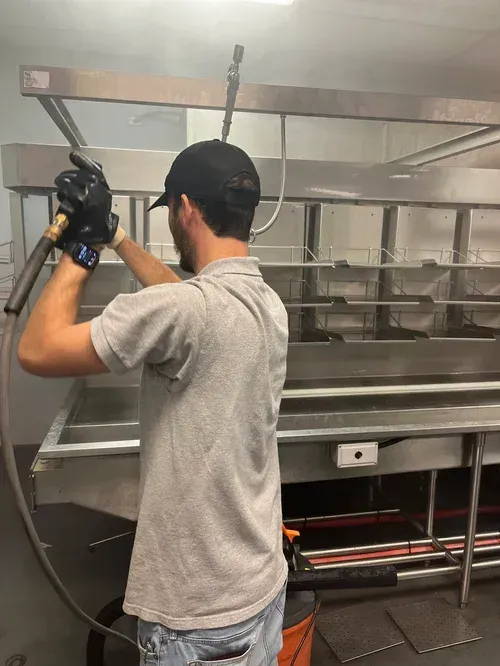
Commercial kitchens are a common setting for grease fires due to the high volume of cooking oil and other flammable materials used on a daily basis. These fires can be dangerous and potentially life-threatening, not to mention the damage they can cause to property and equipment. Therefore, it is essential for restaurant owners and kitchen staff to take preventative measures to minimize the risk of grease fires. In this blog post, we'll discuss some of the best strategies for preventing grease fires in commercial kitchens. 1. Keep the Kitchen Clean and Organized A clean and organized kitchen is essential for preventing grease fires. It is important to keep all surfaces, equipment, and appliances free from grease and other flammable materials. Spills should be cleaned up immediately to prevent them from igniting. Also, make sure that all surfaces are dry before cooking or placing hot objects on them. 2.Properly Maintain Kitchen Equipment Maintaining kitchen equipment is crucial to preventing grease fires. All appliances, such as fryers, grills, and ovens, should be cleaned and maintained regularly to prevent the buildup of grease and other flammable materials. Make sure that all equipment is in good working condition and replace any damaged or worn parts immediately. Make sure to hire a certified hood cleaner (preferably IKECA Certified) to ensure that you are taking the proper measures in preventing fires. 3. Train Your Staff Training your staff is essential for preventing grease fires in the kitchen. All employees should be trained on how to properly use equipment and how to handle hot oil and grease. They should also be taught how to recognize the signs of a potential grease fire and what actions to take in case of an emergency. Regular training sessions should be held to reinforce safety protocols and ensure that all employees are up-to-date on safety procedures. 4. Install Fire Suppression Systems Fire suppression systems are a vital tool for preventing and controlling grease fires in commercial kitchens. These systems are designed to automatically detect and extinguish fires before they spread. Installing a fire suppression system in your kitchen can greatly reduce the risk of damage to your property and equipment, as well as the risk of injury to your employees and customers. 5. Use Proper Cooking Techniques Using proper cooking techniques is another essential strategy for preventing grease fires. It is important to monitor the temperature of the cooking oil and never overfill the fryer or other cooking equipment with oil. Make sure that all cooking equipment is properly ventilated to prevent the buildup of flammable vapors. Additionally, always keep a lid nearby to smother any small fires that may occur. Preventing grease fires in commercial kitchens requires a combination of strategies, including maintaining a clean and organized kitchen, properly maintaining equipment, training your staff, installing fire suppression systems, and using proper cooking techniques. By implementing these strategies, you can greatly reduce the risk of grease fires and ensure the safety of your employees and customers. Carolina Hot Wash is IKECA Certified, serving South Carolina’s Low Country including James Island, Johns Island, Mount Pleasant, North Charleston, Downtown Charleston, Savannah, Columbia and Myrtle Beach regions. Please give us a call for more information.

Myrtle Beach, known for its stunning shoreline and vibrant tourist attractions, has also experienced its share of challenges over the past decade, including a number of restaurant fire incidents over the past decade, Myrtle Beach has witnessed a concerning number of restaurant fire incidents, posing risks to public safety, property, and the economy. While the area's allure remains undiminished, these incidents highlight the need for ongoing vigilance in fire prevention and safety. After looking at the data for the Myrtle Beach, SC area, one of the most preventable and obvious causes of restaurant fires lie in the kitchen. It is the most common cause of fires and one of the most easily preventable. Grease build up within the exhaust systems combined with gas stoves and other electrical kitchen equipment can easily cause a fire within the kitchen than quickly becomes extremely difficult to contain. The impact of restaurant fires extends beyond property damage. Very often restaurant owners, through neglect can be liable for the damage caused by fires, pushing them into bankruptcy and/or closure. Preventive Measures: To mitigate the risks associated with restaurant fires the professionals at Carolina Hot Wash recommend the that owners, managers and employees adopt the following proactive strategies: 1. Regular Inspections: Restaurants should schedule routine inspections of electrical systems, kitchen equipment, and exhaust systems to identify potential hazards. 2. Staff Training: Employees should receive thorough training in fire safety protocols, including extinguisher usage, evacuation procedures, and emergency contact information. 3. Fire Suppression Systems: Investing in advanced fire suppression systems tailored to the restaurant environment can significantly reduce the risk of fire spread. 4. Compliance with Codes: Adhering to local fire codes and regulations is essential to ensure that establishments are properly equipped to prevent and respond to fire incidents. The certified professionals at Carolina Hot Wash who are IKECA Certified (International Kitchen Exhaust Cleaning Association) can assist you with the majority of the above. We are trained professions whose sole purpose is to keep you and your commercial kitchen safe for any dangers. We service the entire Myrtle Beach area including, North Myrtle Beach, Murrells Inlet, Litchfield Beach, Pawleys Island, Conway, Little River, Atlantic Beach, Carolina Forest and Surfside Beach. myrtle beach , grease fire , restaurant , kitchen , commerical kitchen , fire prevention , IKECA Certification
Myrtle Beach, known for its stunning shoreline and vibrant tourist attractions, has also experienced its share of challenges over the past decade, including a number of restaurant fire incidents over the past decade, Myrtle Beach has witnessed a concerning number of restaurant fire incidents, posing risks to public safety, property, and the economy. While the area's allure remains undiminished, these incidents highlight the need for ongoing vigilance in fire prevention and safety. After looking at the data for the Myrtle Beach, SC area, one of the most preventable and obvious causes of restaurant fires lie in the kitchen. It is the most common cause of fires and one of the most easily preventable. Grease build up within the exhaust systems combined with gas stoves and other electrical kitchen equipment can easily cause a fire within the kitchen than quickly becomes extremely difficult to contain. The impact of restaurant fires extends beyond property damage. Very often restaurant owners, through neglect can be liable for the damage caused by fires, pushing them into bankruptcy and/or closure. Preventive Measures: To mitigate the risks associated with restaurant fires the professionals at Carolina Hot Wash recommend the that owners, managers and employees adopt the following proactive strategies: 1. Regular Inspections: Restaurants should schedule routine inspections of electrical systems, kitchen equipment, and exhaust systems to identify potential hazards. 2. Staff Training: Employees should receive thorough training in fire safety protocols, including extinguisher usage, evacuation procedures, and emergency contact information. 3. Fire Suppression Systems: Investing in advanced fire suppression systems tailored to the restaurant environment can significantly reduce the risk of fire spread. 4. Compliance with Codes: Adhering to local fire codes and regulations is essential to ensure that establishments are properly equipped to prevent and respond to fire incidents. The certified professionals at Carolina Hot Wash who are IKECA Certified (International Kitchen Exhaust Cleaning Association) can assist you with the majority of the above. We are trained professions whose sole purpose is to keep you and your commercial kitchen safe for any dangers. We service the entire Myrtle Beach area including, North Myrtle Beach, Murrells Inlet, Litchfield Beach, Pawleys Island, Conway, Little River, Atlantic Beach, Carolina Forest and Surfside Beach. myrtle beach , grease fire , restaurant , kitchen , commerical kitchen , fire prevention , IKECA Certification
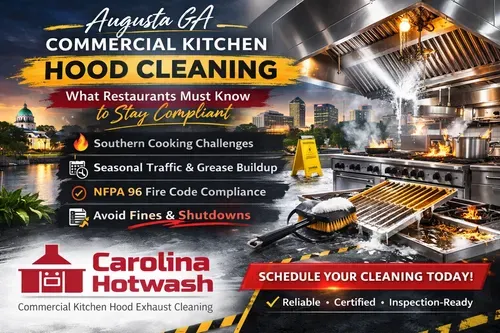
Running a restaurant in Augusta means more than serving great food — it
means staying compliant with fire code regulations that protect your
kitchen, staff, and customers.
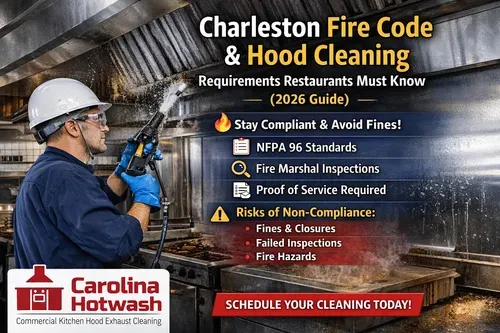
Running a commercial kitchen in Charleston comes with strict fire safety
responsibilities — and your kitchen hood and exhaust system is one of the
most heavily regulated components.
Failure to stay compliant doesn’t just risk a failed inspection. It can
lead to fines, forced shutdowns, denied insurance claims, or even a kitchen
fire.
This guide breaks down Charleston fire code hood cleaning requirements, how
often you need service, and what local restaurant owners need to know
heading into 2026
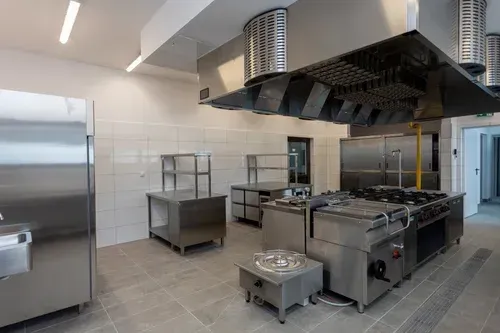
When you run a restaurant or commercial kitchen in the Charleston or
Beaufort, SC area, choosing the right hood cleaning provider isn’t just a
maintenance decision — it’s a critical part of keeping your kitchen safe,
compliant, and running efficiently. The Lowcountry has unique demands: high
humidity, coastal corrosion, heavy tourism seasons, and strict fire-safety
regulations.
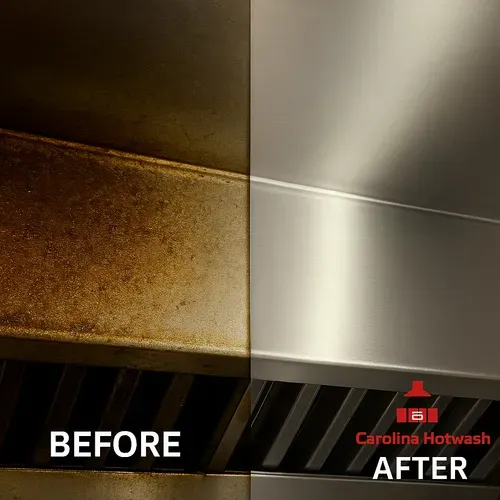
Running a restaurant in Charleston, SC means keeping your kitchen safe,
compliant, and ready for inspection. One of the most important steps?
Making sure your commercial kitchen hood and exhaust system is cleaned to
NFPA 96 standards—and performed by a qualified vendor recognized by the
City of Charleston Fire Marshal’s office.